

Description
| Item | Details |
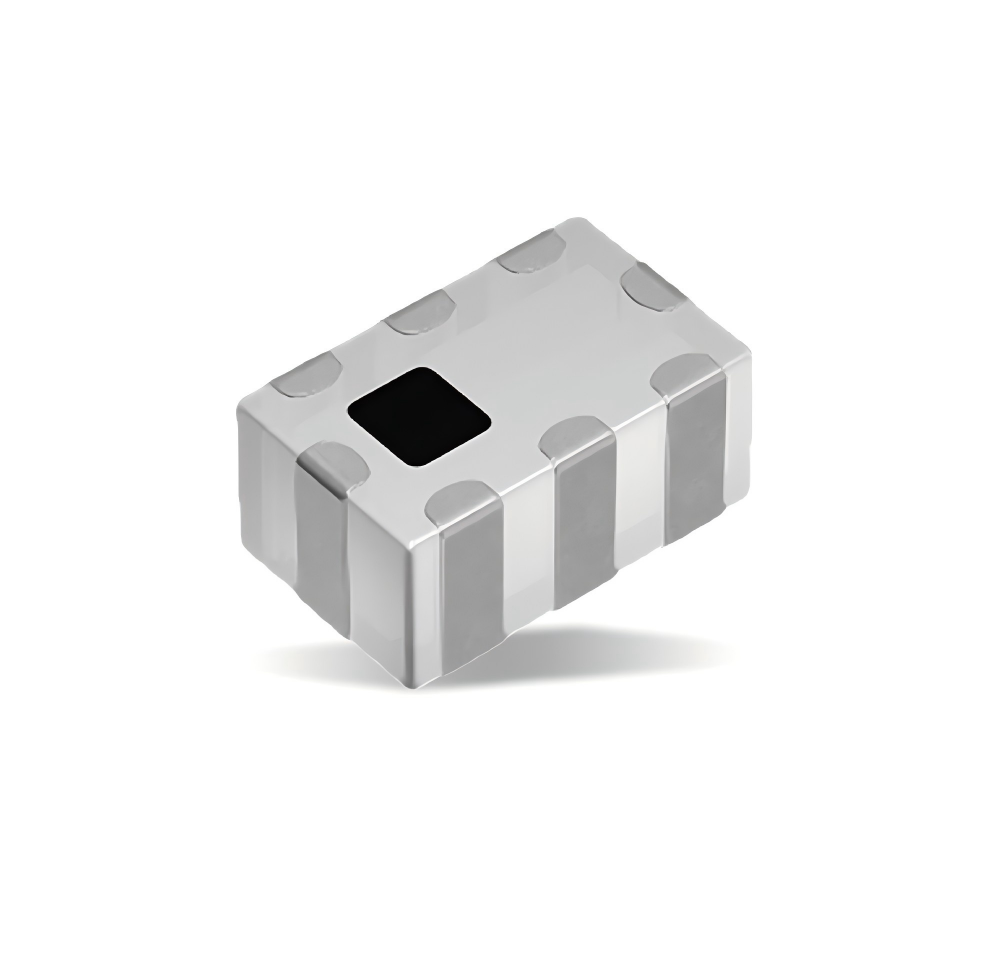
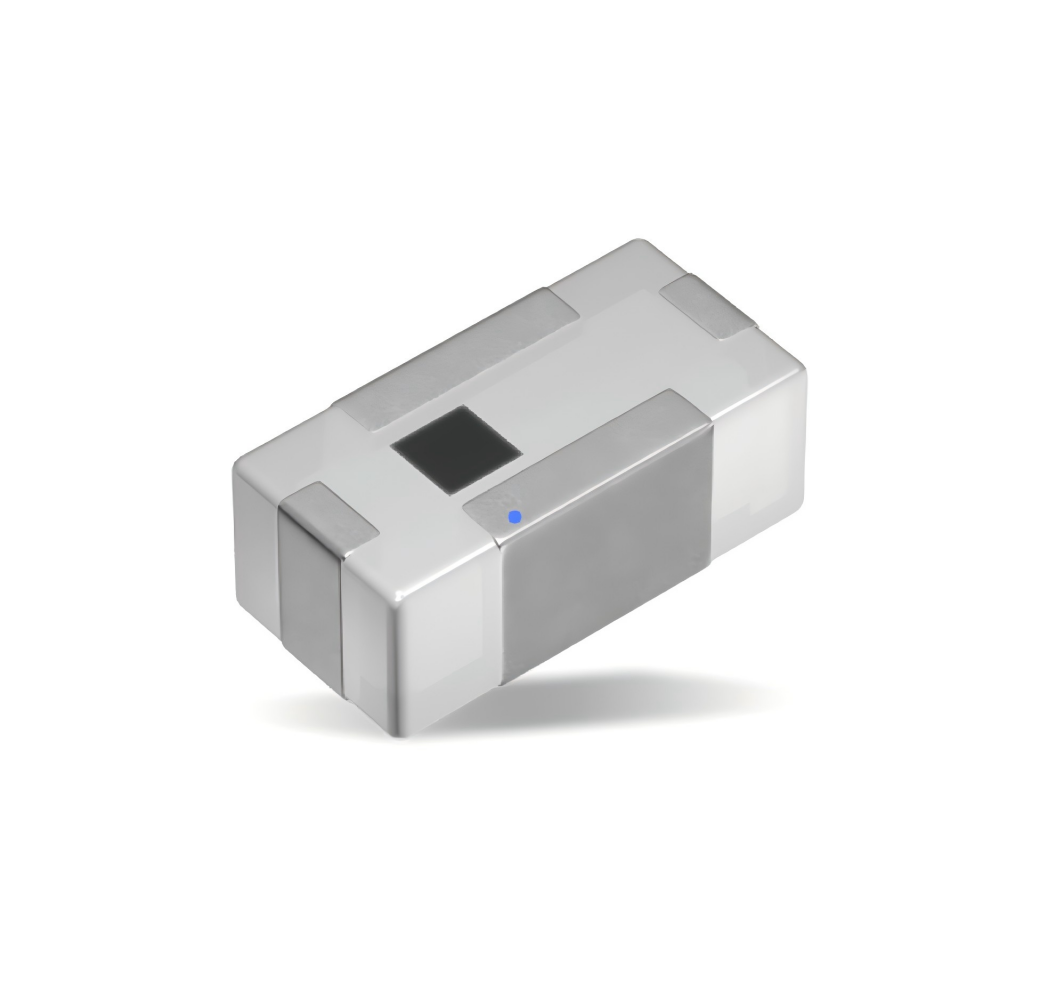
| Product Categories | LTCC Chip Inductor, LTCC Filter, LTCC Balun, LTCC Coupler, LTCC Antenna, LTCC Integrated Passive Device (IPD), LTCC Multilayer Substrate |
| Electrical Performance | High Q value, low dielectric loss, excellent high-frequency stability, low DCR, high insulation resistance, superior temperature & frequency stability, high reliability, good anti-vibration & mechanical strength |
| Inductance Range | 0.3 nH – 100,000 nH (0.0003 μH – 100 μH) |
| Typical Package Sizes | 0201, 0402, 0603, 0805, 1206, 1210, 1812 |
| Inductance Tolerance | ±0.1 nH, ±0.5 nH, ±1%, ±2%, ±5%, ±10% |
| Self-Resonant Frequency (SRF) | ≥100 MHz up to >20 GHz |
| Operating Temperature | -55 ℃ to +125 ℃ / +150 ℃ |
| Application Frequency | DC to 20+ GHz (RF / microwave / high-speed signal) |
LTCC Ceramic Technology Overview
LTCC (Low Temperature Co-fired Ceramic) is a multilayer ceramic technology designed for high-frequency and high-performance electronic circuits. Compared with traditional PCB or single-layer ceramic substrates, LTCC enables the integration of multiple circuit layers and embedded passive components in a compact three-dimensional structure.
This technology is widely used in RF, microwave, and high-speed electronic systems where stability, reliability, and miniaturization are critical requirements.
Excellent Electrical Performance
LTCC materials exhibit outstanding high-frequency electrical characteristics, making them ideal for RF and microwave applications.
Key electrical advantages include:
-
Low dielectric constant and low dielectric loss
-
Excellent high-frequency signal transmission performance
-
High insulation resistance and stable impedance control
-
Low signal attenuation in high-speed circuits
-
High Q-value for passive components
These features allow LTCC circuits to operate efficiently across wide temperature and frequency ranges while maintaining stable electrical performance.
Superior Thermal Stability
LTCC technology provides excellent thermal performance and reliability under harsh environmental conditions.
Key benefits include:
-
Low temperature drift of capacitance and inductance
-
Stable electrical parameters over wide temperature ranges
-
High mechanical strength and long-term reliability
-
Excellent resistance to thermal cycling and environmental stress
These properties make LTCC particularly suitable for automotive, aerospace, and industrial applications.
Multilayer Integration & Compact Design
One of the biggest advantages of LTCC technology is its ability to integrate multiple layers of circuitry within a single ceramic structure.
LTCC supports:
-
Multilayer circuit structures
-
Embedded resistors, capacitors, and inductors
-
3D circuit integration
-
Compact module design
This allows engineers to significantly reduce product size while improving performance and reliability.
Application Areas
LTCC technology is widely used in many advanced electronic industries, including:
RF & Microwave Communication
-
RF modules
-
Microwave components
-
Base station communication systems
-
Mobile communication devices
Aerospace & Satellite Systems
-
Radar systems
-
Satellite communication equipment
-
Aerospace electronic modules
Automotive Electronics
-
Engine control systems
-
ADAS driver assistance systems
-
Automotive sensors and infotainment systems
5G / 6G Communication Equipment
-
RF filters
-
Couplers
-
Antennas
-
High-frequency modules
Consumer Electronics & IoT
-
Wearable devices
-
Smart sensors
-
High-speed data transmission modules
Medical & Industrial Electronics
-
Medical diagnostic equipment
-
Industrial control systems
-
High-reliability military electronics
Key Advantages
-
Excellent high-frequency performance
-
Low dielectric loss and signal attenuation
-
Stable electrical performance across wide temperature ranges
-
High reliability and long service life
-
Support for miniaturized and integrated circuit designs
-
Suitable for demanding RF and microwave applications
Keywords
LTCC, Low Temperature Co-fired Ceramic, LTCC substrate, multilayer ceramic substrate, RF ceramic substrate, high-frequency ceramic substrate, ceramic co-fired technology, LTCC filter, LTCC inductor, LTCC antenna, integrated passive device LTCC.