




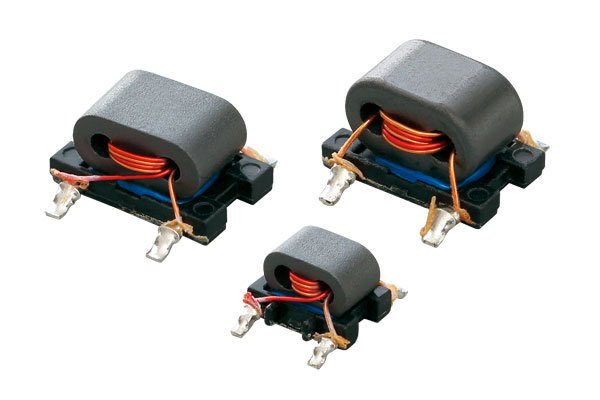
Description
| Parameter | Description | Typical Range |
| Frequency Range | Operating frequency | 1 MHz – 8GHz |
| Insertion Loss | Signal loss through the device | 0.1 – 3.0 dB |
| Return Loss | Port matching performance | ≥ 10 – 25 dB |
| VSWR | Voltage standing wave ratio | 1.1:1 – 2.0:1 |
| Isolation (for splitter / coupler) | Isolation between output ports | 18 – 40 dB |
| Coupling Factor (for directional coupler) | Coupled signal attenuation | 6, 10, 15, 20, 30 dB |
| Directivity (for directional coupler) | Directional transmission performance | 15 – 35 dB |
| Power Rating | RF power handling | 0.5 W – 200 W |
| Impedance | System characteristic impedance | 50 Ω / 75 Ω |
| Operating Temperature | Ambient working temperature | -40°C to +85°C / +125°C |
| Package Type | Mounting style | SMD, microstrip, connectorized |
| Phase Balance (for transformer) | Phase difference between ports | ±1° – ±10° |
| Amplitude Balance (for splitter) | Amplitude imbalance | ±0.1 – ±1.0 dB |
RF Transformer Overview
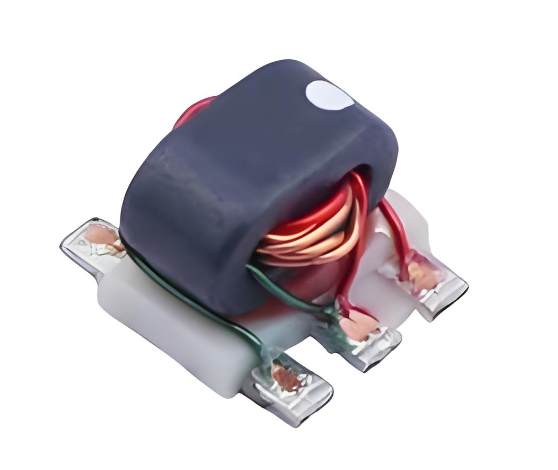
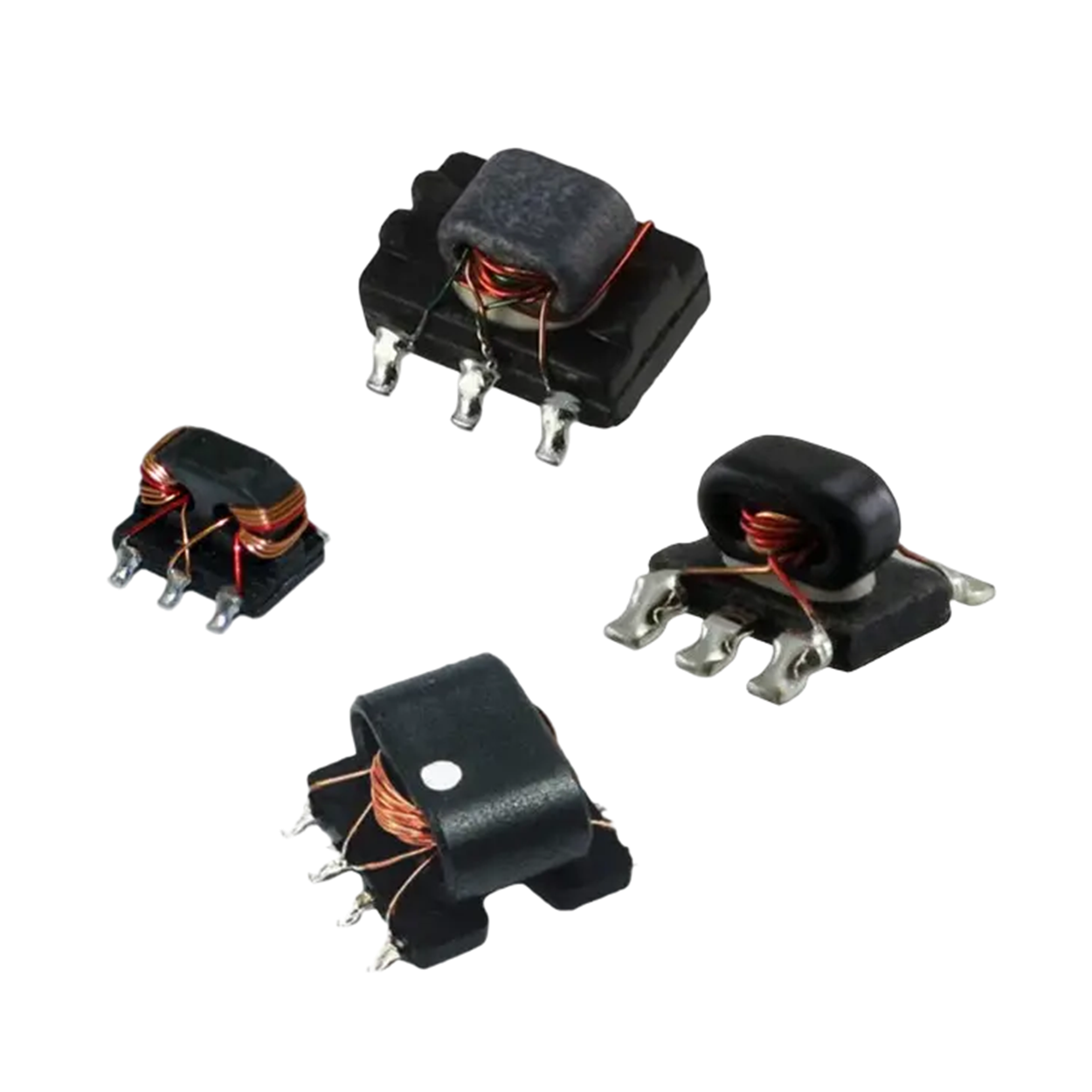
RF Transformers are high-frequency components used in radio frequency circuits for signal coupling, impedance matching, and electrical isolation. They typically consist of a magnetic core (such as ferrite or air core), precision winding coils, and an insulating package designed for stable high-frequency operation.
These transformers are essential components in RF systems where efficient signal transmission and impedance control are required. By minimizing signal reflection and improving power transfer efficiency, RF transformers help ensure reliable performance in modern communication and electronic systems.
Structure
An RF transformer generally includes:
-
Magnetic core – ferrite core, air core, or transmission-line structure optimized for high-frequency operation
-
Winding coils – insulated copper windings designed for precise impedance and coupling characteristics
-
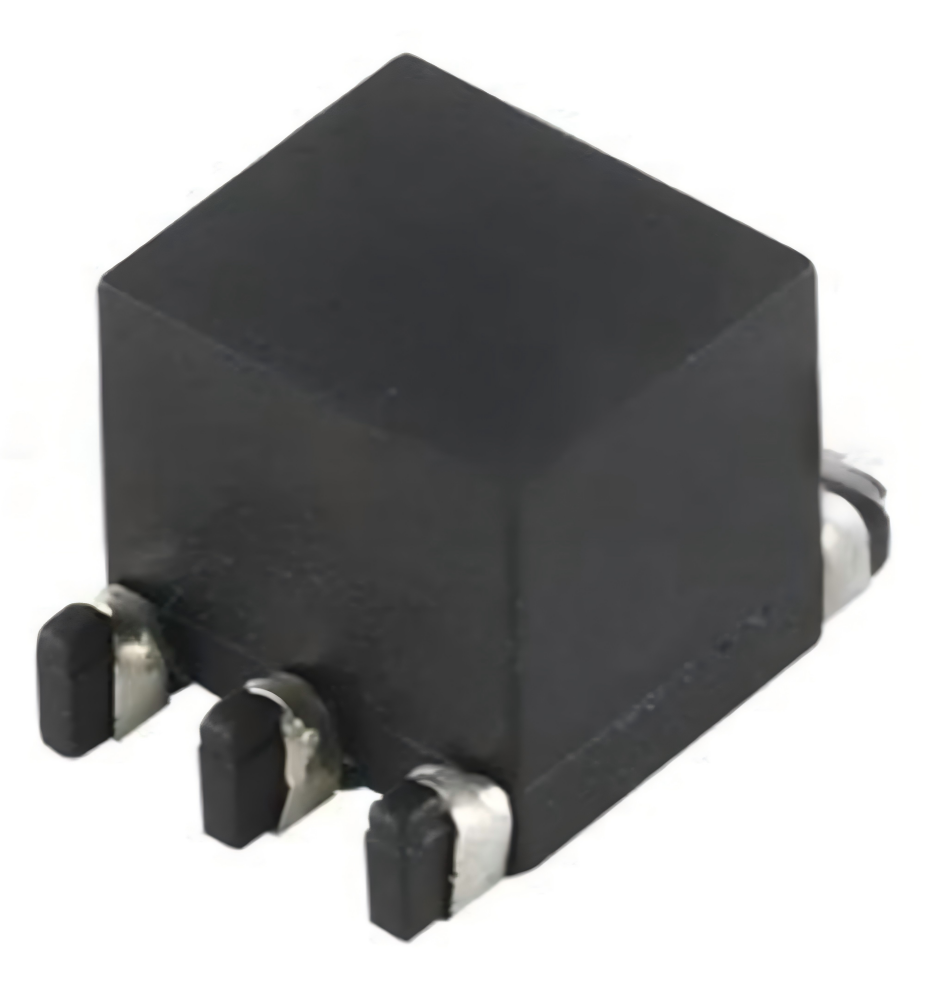
Insulating package – protective housing suitable for surface-mount (SMD) or module integration
This structure enables stable RF signal transfer while maintaining electrical isolation between circuits.
Key Functions
RF transformers perform several important functions in RF circuits:
-
Impedance matching between different circuit stages
-
Electrical isolation and DC blocking
-
Balanced to unbalanced signal conversion (balun)
-
Phase shifting and signal coupling
-
Voltage transformation in RF signal paths
-
Reduction of signal reflection and improvement of power transfer efficiency
Electrical Performance
RF transformers are designed for reliable operation in high-frequency environments.
Key electrical characteristics include:
-
Wide frequency coverage from kHz to GHz ranges
-
Low insertion loss and high return loss
-
Excellent amplitude and phase balance
-
High isolation between input and output ports
-
Stable electrical performance across temperature ranges
-
Standard impedance options such as 50Ω and 75Ω
-
Compact size suitable for SMD integration and RF modules
These features make RF transformers ideal for modern wireless communication systems.
Typical Applications
RF transformers are widely used in many RF and microwave systems, including:
Communication Equipment
-
5G macro base stations
-
Small cell RF front-end modules
-
Mobile phones and smartphones
-
WiFi 6 / WiFi 6E / WiFi 7 routers
-
Bluetooth and Zigbee modules
-
NB-IoT and LoRa communication devices
Broadcasting & Satellite Systems
-
CATV systems and set-top boxes
-
Satellite TV receivers
-
Broadcast transmitters
-
Digital radio systems (DAB / DVB)
Navigation & Radar Systems
-
GPS / GNSS navigation modules
-
Automotive radar systems
-
Industrial radar equipment
Industrial & IoT Devices
-
Smart meters
-
Industrial IoT gateways
-
Vehicle telematics systems
-
RFID readers and wireless sensors
Aerospace & Military Electronics
-
Military communication radios
-
Emergency walkie-talkies
-
Aerospace communication transceivers
-
Marine communication equipment
Other High-Frequency Equipment
-
RF power amplifiers and LNAs
-
Signal generators and spectrum analyzers
-
RF test fixtures and measurement equipment
-
Wireless microphones and communication modules
Key Advantages
-
Excellent RF signal transmission performance
-
Low insertion loss and high isolation
-
Wideband frequency operation
-
Compact size and SMD compatibility
-
High reliability in demanding RF environments
-
Suitable for modern wireless communication systems
Keywords
RF transformer, radio frequency transformer, balun transformer, RF balun transformer, impedance matching transformer, RF isolation transformer, high-frequency transformer, GHz RF transformer, SMD RF transformer, miniature RF transformer, broadband RF transformer, wideband RF transformer, transmission-line transformer, air-core RF transformer, ferrite RF transformer, 50Ω RF transformer, 75Ω RF transformer, RF signal transformer, differential RF transformer, single-ended to differential transformer.